6 things your celebrant wishes you knew about ceremony
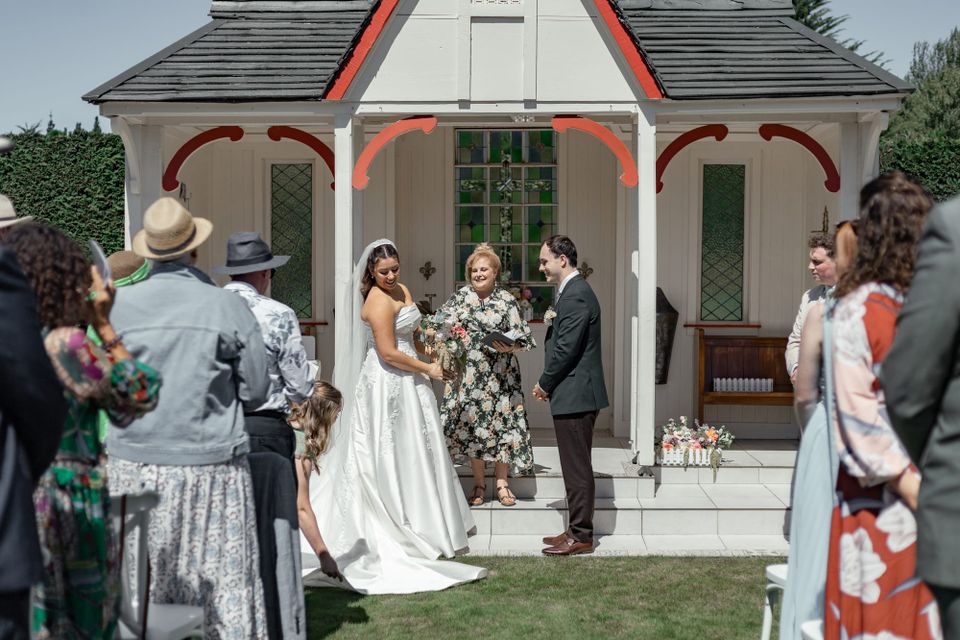
Sometimes I see something like this posted on socials:
"I don't want to pay a professional celebrant, we will just get my (friend / aunt / cousin) to get registered and marry us."
And I sigh inwardly, because I have a fair idea how that ceremony will probably turn out. Sometimes it will be wonderful (because natural storytellers do exist and they may find their calling to celebrancy by this route), but often it leaves a sense of disappointment that you just can't put your finger on.
Much like any professional service, what you see on the day of a wedding is only a small part of the job. Training, professional practice and experience is what your celebrant's fee really covers. So as a celebrant with over 16 years experience, here's a few things that I'd love to share with you.
- The purpose of ceremony is to mark a life transition. At weddings, it's a declaration of love and commitment where the couple enters as two indivuals and leaves as legally recognised life partners. This can be meaningful whether it happens with five people present or 500. The skill of a good celebrant is to create that sense of occasion. Not every ceremony needs to be a big grand affair. I've seen as much emotion in elopements as in big weddings.
- A ceremony is not just a script. The words I write are just the beginning of creating a ceremony. My preparation, organisation, and interaction with your other vendors are all part of what creates a memorable ceremony. My delivery - the words I say and the way I speak, weaving references to poetry, music and story together are of course a massive part of a ceremony. So too is the way I integrate what is happening each moment, reacting, accommodating and blending those moments where tears may be shed, or laughter erupts. A ceremony occurs when words, ritual and emotion come together to acknowledge and propel you into a new life stage.
- Getting registered to officiate weddings in New Zealand requires commitment to the profession of celebrancy. Marriage Celebrants are appointed by the Department of Internal Affairs, and they will want to see evidence that the applicant is serious about becoming a celebrant. They will want to know what training and skills you bring to the role, if you are committed to ongoing professional development, and you need to demonstrate a niche or need in the community. You pay a fee to apply, whether or not you are successful. And if you are approved and don't get any bookings, you will probably be removed from the list at the annual renewal.
- Professional training and skill development is the key to preparing a memorable and heartfelt ceremony. Each couple I work with is different - their beliefs, background, love story, cultural traditions are what they bring to me. As a celebrant, my job is to rapidly build rapport, a sense of trust, to draw out your stories and gather the information I need to create your unique ceremony. I offer suggestions of rituals and ways to incorporate ceremony elements that bring richness and meaning to your ceremony. Then I weave all this together seamlessly with your story when I write the script for you.
- 90% of the work happens before the ceremony. Leading up to a wedding day I not only write the ceremony. I work through so many details: I have my checklists, ensure I know what the weather will probably be like, run your rehearsal (essential for larger weddings to ensure it all goes smoothly on the day), choose my attire, print the documents, charge the sound system, and so on. All these little details add up to me calmly standing at the front of your ceremony space, ready to deliver something really special for you. I'm ready to build the emotions a good wedding needs to be memorable.
- Creating and delivering ceremonies is a calling or vocation. I honestly love what I do as a celebrant. Because when I care about you and your ceremony, I believe it shines through in how I conduct myself. The day I stop loving this role is the day I will retire (but I can't see that happening any time soon).
Maya Angelou said, “Words mean more than what is set down on paper. It takes the human voice to infuse them with meaning.” Your celebrant works with words, both written and spoken. And it is in the speaking of the words that your ceremony is brought to life.
There's much more I could write on this topic - can you tell I am passionate about this?! That's because I've heard and felt the difference when a ceremony really hits the spot. I also hear about ceremonies where the celebrant did a very poor job, for all sorts of reasons. I know how important it is to strive for excellence in every aspect of my celebrancy work.